QUESTION: I just learned about the crema on top of espresso shots. Should I stir the crema into my coffee? — Nelson L. ANSWER: Crema is the bubbly, rust-colored foam-like substance on …
QUESTION: I’ve heard some people talking about coffee crema and how it’s their favorite part of the espresso. I’m just not sure what it is. What is coffee crema? — Michael V.
ANSWER: Crema is a substance that’s a natural result of the process of making espresso—or at least of making espresso well. However, not all coffee drinkers agree that it contributes to the taste of a good espresso.
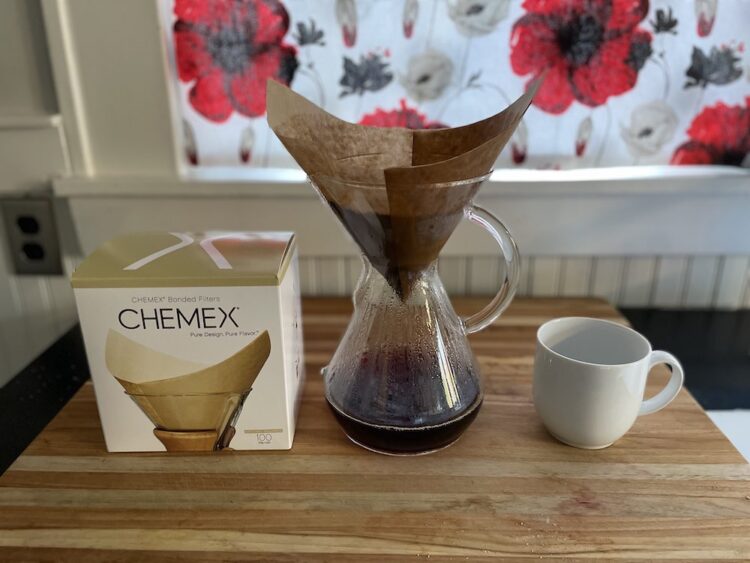
QUESTION: What grind Is best for Chemex? I just received a 6 cup classic Chemex coffee maker as a gift, but I’m not sure how fine or coarse I should grind the beans. Which grind size will work the best in my new Chemex?
ANSWER: Your coffee beans should be ground to medium-coarse if you will brew your coffee in a Chemex. A Chemex arrangement can be fussy to work with, so make sure to grind the coffee beans so they’re between medium and coarse.
by Lars Hundley If you are a coffee fanatic, the thought of drinking gas station / convenience store coffee might seem like something you’d never consider. In many gas stations, …
QUESTION: What kind of coffee is Ethiopian? It’s where coffee originated, right? So is it a certain type? – Brad D.
ANSWER: It is pretty much impossible to describe Ethiopian coffee characteristically, as the types of coffee that are grown (and growing wildly) across Ethiopia vary widely. Ethiopia is widely believed to be the birthplace of coffee cultivation, and it is also one of the few countries where coffee grows naturally in the wild. With a large number of coffee farms spread out across the different regions of Ethiopia, as well as all of the coffee that grows in the wild, there are well over 1,000 different varieties of coffee grown within the country’s borders.
What climatic conditions make a location ideal for growing the highest quality of coffee beans? Well, high elevations, rich volcanic soil, a tropical to temperate climate, and plenty of shade is needed to grow the most flavorful and aromatic beans possible. Two coffee producing countries that are blessed with all of these environmental conditions are Costa Rica and Colombia.
Costa Rica is a small country, and they are only responsible for about one percent of the entire world’s coffee production. So, instead of churning out massive amounts of coffee, Costa Rica prefers to focus on overall quality instead of quantity. They even outlawed the production of robusta whole bean coffee within their borders, making it illegal to grow anything other than the high-quality arabica beans in Costa Rica. Talk about dedication.
by Matt Gibson When trying out single origin coffees from roasteries and coffee farms from all over the world, you will no doubt run into quite a few Colombian and …
QUESTION: How does the Swiss Water decaf process work? Is it really any better? How would water even work to take away the caffeine in coffee? – Graham H. ANSWER: The Swiss …
So your Mr. Coffee maker won’t brew and you’re trying to figure out what’s wrong so you can make some coffee? Here are the top solutions. PROBLEM: The Brew button …
QUESTION: What makes Ethiopian coffee special? I see coffee described as Ethiopian in advertising pretty frequently and would like to know why Ethiopian coffee is notable. — Lucy M. ANSWER: …